
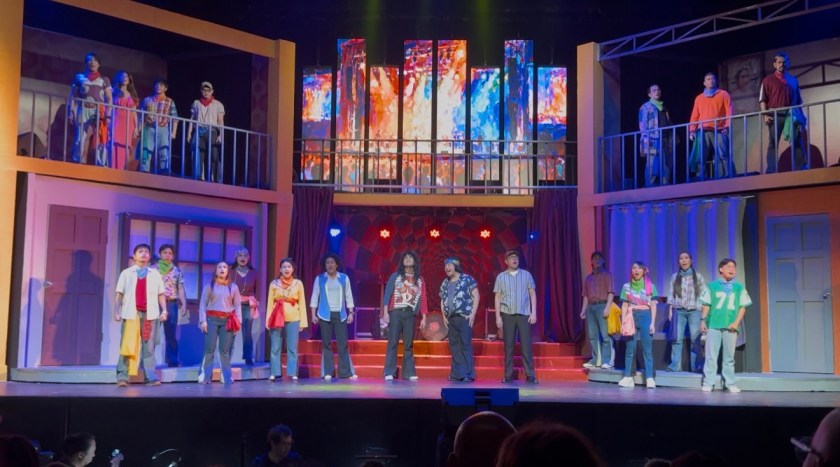
There are nights at the theater that feel like Manila is whispering an old story back to you — a story about youth, rebellion, privilege, growing pains, and the kind of music that refuses to die.
Watching Jeproks: The Musical at GSIS Theater on November 23 felt exactly like that.
It wasn’t just a show.
It was a reclamation of memory.
And backstage, as I met with the cast — seasoned OPM names returning to their musical roots — it became clear that Jeproks is more than a jukebox musical. It is a mirror held up to the Philippines, past and present, lit by the anthems of Pinoy rock legend Mike Hanopol.
What “Jeproks” Really Means: A Word We Thought We Understood
Most Filipinos know jeproks as a fun old slang word — retro, quirky, a callback to the hippie aesthetic of the 70s.
But the word has teeth.
Jeproks comes from “projects” — specifically the QC Projects, which in the 1970s were home to upper-middle-class and well-off Filipino youth. The aesthetic was long-haired, kalas, “street,” rebellious… but the lifestyle was comfortable. It was privilege cosplaying as struggle.
And Mike Hanopol saw that.
He wrote “Laki sa Layaw (Jeproks)” not as mockery, but as social commentary: a playful dig at the young elite who lived easy but performed toughness like costume.
Knowing this completely changes how you watch the musical.
Because when you carry that meaning into 2025 — a year filled with conversations about nepo babies, political dynasties, and corruption in government projects (yes, that word again), “jeproks” suddenly feels less nostalgic and more… prophetic.
The privilege of the 70s and the privilege of today are cut from the same cloth.
And this musical dares to say it out loud — through song.
⸻
The Powerhouse Cast: OPM Royalty Returns to the Stage
Backstage after the show, I met the cast — not just actors, but icons whose names have shaped OPM for decades.
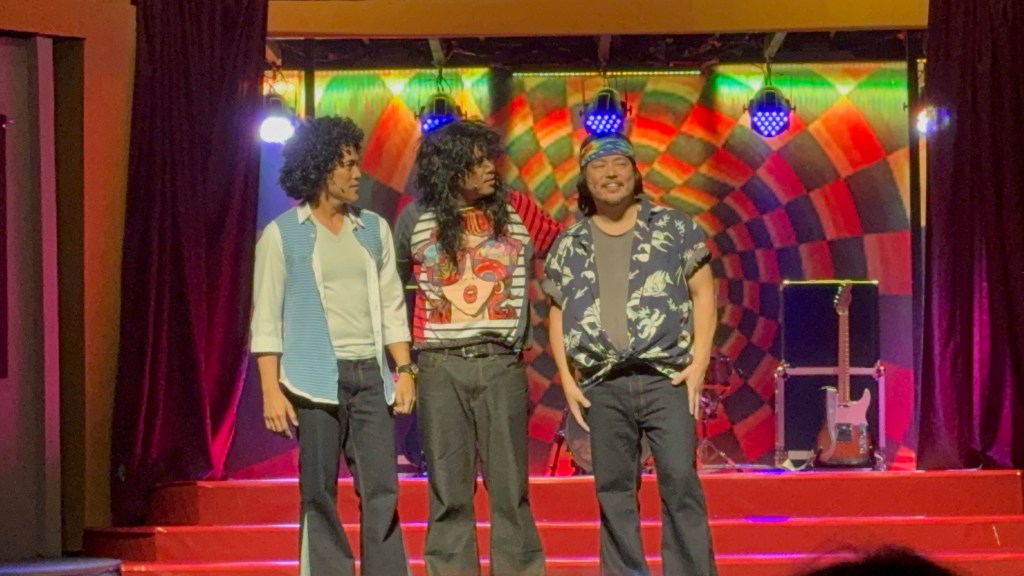
DAVID EZRA as Jepoy — The Heart of the Revolution
At the center of Jeproks: The Musical is David Ezra, whose presence anchors the story with emotional range and vocal strength.
Ezra is no stranger to the stage — known for his classical crossover voice and standout performances in musicals like Rak of Aegis, The Bridges of Madison County, and The Florante at Laura Opera, he brings both finesse and fire to the role of Jepoy, the dreamer who carries the struggle of a generation on his shoulders.
“Jepoy isn’t just a character — he’s every young Filipino who wanted to live honestly in a world that demanded conformity. His rebellion isn’t loud… it’s human.”
His performance is where the story breathes:
raw in vulnerability, electric in anger, and grounded in truth.
He doesn’t just sing the songs —he wrestles with them.
And in that tension, the musical finds its pulse.
NINO ALEJANDRO as Paulo
Nephew of Hajji Alejandro and cousin of Rachel Alejandro, Nino lights up the stage with a role he originates for the first time in his career.
“In all my years of doing musicals, this is my first time originating a role,” he told me, eyes gleaming with equal parts pride and pressure.
“Paulo is free-spirited, a little pilyo, a little pasaway — and creating him from scratch is both exciting and terrifying.”
His rock-soul DNA and stage maturity anchor the show’s emotional center.
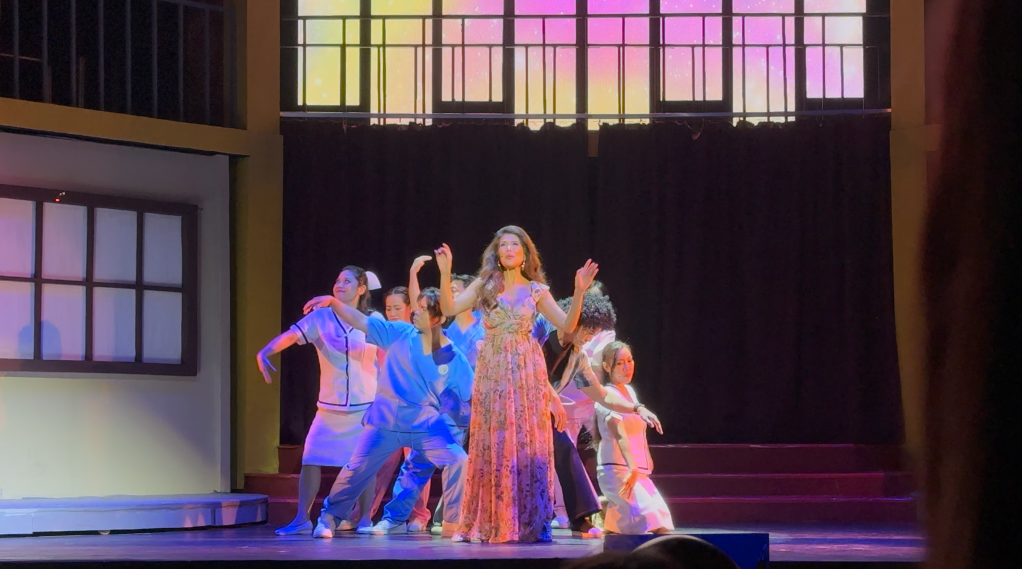
GENEVA CRUZ as Liwayway
One-half of legendary Smokey Mountain, Geneva plays Liwayway, a role she accepted almost instantly.
“Hindi na ’ko nagpa-tumpik-tumpik pa,” she laughed.
“Her name says it all — she brings light, joy, and the answers that carry the story.”
Watching her glide through the scenes felt like being guided by a familiar voice from a childhood soundtrack.
JEFFREY HIDALGO as Willy
Also from Smokey Mountain, Hidalgo returns to the musical stage with a role that hits surprisingly close to home.
“Willy represents every OFW,” he explained. “You’ll see the struggles, the sacrifices, the need to survive.”
His portrayal carries quiet dignity — the kind of pain Filipino families understand without explanation.
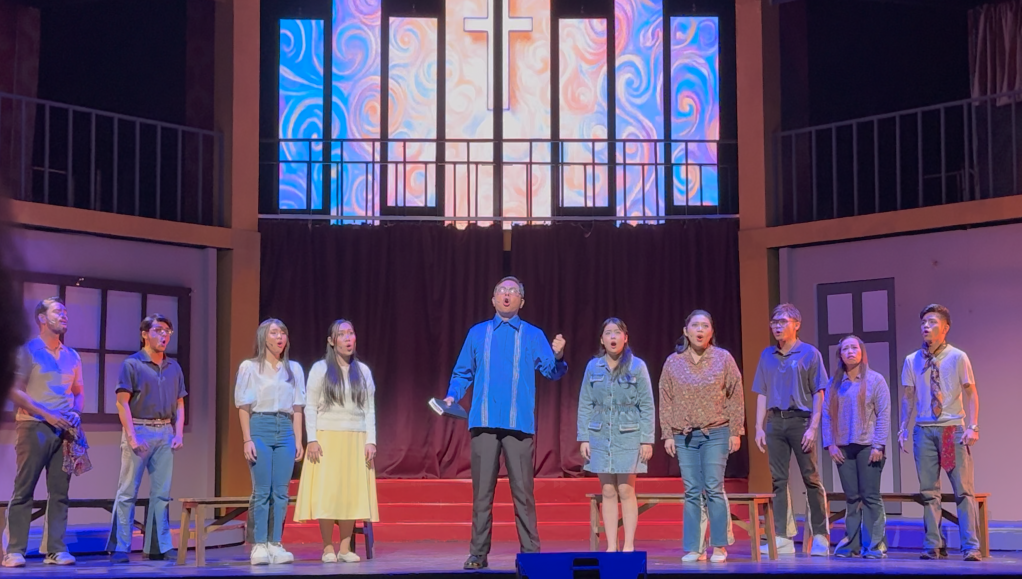
JETT PANGAN as Tatay Paking
Frontman of The Dawn — one of the Philippines’ most important rock bands — Jett Pangan delivers a gripping portrait of a conservative father resisting the changing tides.
“Paking is old-fashioned. He believes modern ways can lead the youth to ruin,” he shared backstage.
“It’s a privilege to return to the stage after years away.”
He doesn’t just play a father.
He plays the voice of a generation at war with the next.
Why This Musical Matters Today
When you stitch together the meanings of “jeprox”, Mike Hanopol’s music, the cast’s lived experiences, the Philippines’ current political climate, the result is a show that feels startlingly modern.
It asks:
What does it mean to grow up privileged?
What does it mean to pretend struggle?
And what does rebellion look like in a time when privilege is inherited like property?
The parallels to today’s political dynasties, scandal-ridden projects, and influence-driven success stories are impossible to ignore.
This isn’t just nostalgia.
It is commentary.
Quiet, but unmistakable.
The Music: A Character of Its Own
As shared by the cast, the musical direction by Maestro Jed Balsamo transforms Hanopol’s songs into narrative devices.
The music doesn’t just support the story — it tells the story.
It becomes the heartbeat of each character’s arc.
Nino Alejandro said it best:
“The music is electric and catchy — and arranged to truly move the story forward. The music itself becomes a character.”
And he’s right.
The show feels like stepping inside an OPM album and finding a plot hiding between the notes.
What Audiences Can Expect
Whether you’re a regular theatergoer or stepping into your first musical, the cast agrees:
• It’s high-energy, fun, and unapologetically Filipino.
• It carries universal themes of youth, identity, and social pressure.
• It captures the late 70s to early 80s Manila vibe with texture and grit.
• And the music? Impossible not to sing along to.
Geneva hopes first-time viewers will let it open the door to more Filipino musicals:
“I hope this marks the beginning of their musical theater journey.”
Jeffrey believes foreign audiences will see a slice of Filipino life rarely shown onstage.
Jett believes everyone will recognize themselves — or their parents — in the characters.
And Nino?
He hopes the songs stay with you long after curtain call.
Why Jeproks Hits the Heart
Jeproks: The Musical is not just entertainment.
It’s memory.
It’s identity.
It’s Manila — both the dream and the contradiction.
It shows us a generation that performed rebellion while living in comfort.
And in doing so, it reflects a generation today navigating privilege, power, and protest.
Jeproks isn’t asking you to judge.
It’s asking you to look.
To listen.
And maybe — to recognize the patterns we keep repeating.
Because as I walked out of GSIS Theater that night, one thought lingered:
Maybe the music of the 70s doesn’t just remind us of who we were.
Maybe it warns us of who we might become.
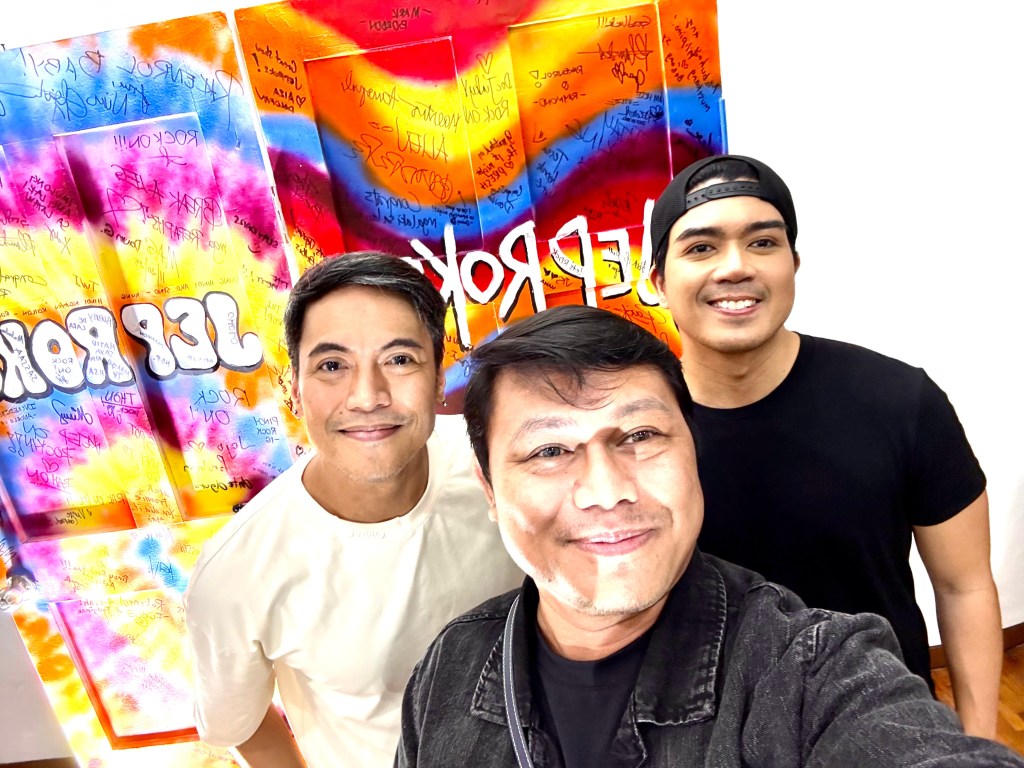
Check Out our JEPROKS vlog on YouTube:
SHOW DETAILS
Jeproks: The Musical
Presented by Tanghalang Una Obra and Hammock Productions, Inc.
Libretto by Nicolas Pichay
Music direction by Maestro Jed Balsamo
Direction by Frannie Zamora
Show dates: November 20–23 and 27–29, 2025
Tickets available via TicketWorld and Ticket2Me.
 ELYSPLANET